| Personal, Social, Health & Economic Education | |
| Whalton PSHE Curriculum Overview 2026/2027 | Download |
Intent:
At the Federation of Longhorsley and Whalton Schools, we recognise that our children are growing up in a diverse, complex, and rapidly changing world, presenting both opportunities and challenges. Our responsibility is to prepare them not only with knowledge, but with wisdom, compassion, and integrity, so that they may flourish as individuals and as caring members of society.
Our Personal, Social, Health and Economic (PSHE) and Relationships and Sex Education (RSE) curriculum is rooted in the Christian principle of “Love your neighbour as yourself” (Matthew 22:39) This teaching underpins all aspects of our provision, nurturing respect for self and others and guiding pupils to live out values of kindness, empathy, forgiveness, justice, and love in their everyday lives.
Through our PSHE and RSE curriculum, we aim to equip every pupil with the knowledge, skills, and understanding they need to:
- Stay safe, healthy, and resilient – physically, mentally, and emotionally
- Build positive, respectful, and nurturing relationships
- Appreciate and celebrate diversity in cultures, beliefs, and identities, recognising the dignity and uniqueness of every person
- Understand personal boundaries, consent (age-appropriate), and how to seek help when needed
- Contribute positively to their local, national, and global communities
- Make informed, moral, and responsible choices now and in the future within all areas, including online safety and money
Implementation:
Our curriculum is community-focused and built around real-life, meaningful experiences. We believe that children learn best when they see the impact of their learning in action and are inspired by those who serve and support others.
Early Years Foundation Stage (EYFS)
In the Early Years, we lay the essential foundations for PSHE and RSE through the Personal, Social and Emotional Development (PSED) and Understanding the World (UTW) areas of learning.
From the very beginning of their school journey, children are supported to:
- Develop a positive sense of themselves and their relationships with others.
- Learn to manage their emotions and understand feelings.
- Build friendships and cooperate with others.
- Develop independence, empathy, and respect.
- Recognise the importance of kindness, sharing, and fairness.
- Explore the world around them, learning about people, cultures, and communities beyond their own.
Through play, stories, discussions, celebrations, and role modelling, our youngest learners are introduced to the values that underpin our whole-school PSHE approach. Understanding the World provides opportunities for pupils to discover diversity, care for the environment, and appreciate the connections between themselves and others — both locally and globally. These early experiences prepare children to build upon their understanding of relationships, health, and wellbeing as they move through the federation.
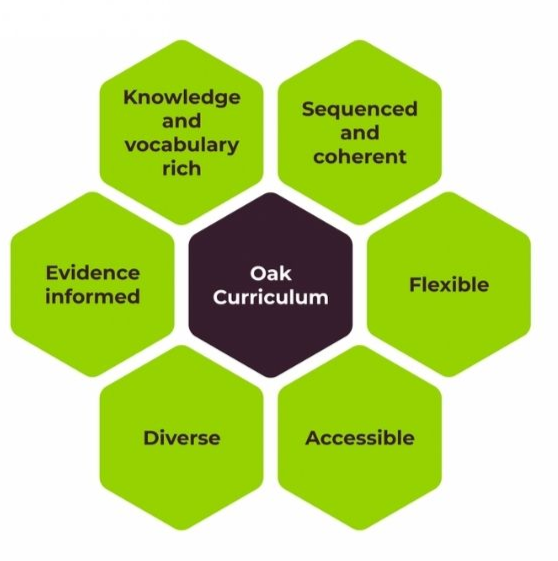
From Years 1 to 6, PSHE and RSE units from the Oak National Academy curriculum have been adopted and are carefully sequenced within mixed aged classes to ensure knowledge is built ively over time. Learning is structured to move from concrete understanding in the early years to more complex and abstract concepts as pupils mature.
Five key concepts are developed through curriculum threads, which provide vertical coherence across year groups:
- Relationships
- Wellbeing
- Community
- Online Safety
- Growing Up
The threads of relationships, wellbeing, community and online safety are revisited and deepened each year, enabling pupils to consolidate prior learning, develop rich and age-appropriate vocabulary, and apply knowledge in increasingly sophisticated ways. PSHE education at Longhorsley and Whalton Federation of Schools is evidence-informed, inclusive, and accessible, forming a central part of our coherent and appropriate whole-school approach to personal development. It supports children to grow in character and wisdom, build strong and healthy relationships, understand their rights and responsibilities, and recognise their own worth, agency, and potential. The thread ‘growing up’ is a focus in year 4 with regards to puberty.

We have adopted the threads to support Early Years to show clear progression in our PSHE Content Curriculum Overview.
Whole-School Practice:
We work closely with a range of local and national organisations to enrich our PSHE and RSE curriculum, including visits and partnerships with:
- The Fire Service, Road Safety team, and local hospice, to develop awareness of safety, responsibility, and compassion.
- The Dog’s Trust, to teach empathy, care, and animal welfare.
- Wansbeck Food Bank, where pupils contribute to collections and learn about supporting others in need.
- Shared Interest and the Fair Trade movement, helping pupils understand global citizenship, ethical trade, and justice for farmers worldwide.
- The Toilet Twinning Project, connecting our schools with communities around the world and highlighting dignity, equality, and sustainable living.
We also benefit from an active PTA, which works in close partnership with staff to strengthen our community ties, support school events, and enhance children’s experiences through fundraising and volunteering.
We prioritise first-hand experiences to bring learning to life, such as visits to zoos, synagogues, mosques, and other places of cultural and religious significance, promoting understanding and respect for all faiths and traditions.
Our schools take part in local community events, parish activities, and regional celebrations, strengthening our sense of belonging and service to others.
PSHE and RSE are taught explicitly through dedicated lessons but are also woven through the wider curriculum, collective worship, and the daily life of the school. Teachers use stories, scripture, discussion, and multimedia resources to engage pupils and promote reflection.
Ongoing assessment and reflection help teachers to track progress, adapt teaching, and ensure that all children—whatever their background, need, or belief—are supported to thrive personally and socially.
PSHE – Government Changes from September 2026
We have now completed a thorough audit of the new statutory guidance for Relationships, Sex and Health Education (RSHE). As part of this audit, we have reviewed our existing provision and identified opportunities to strengthen our curriculum in line with the new requirements, while ensuring that learning remains relevant to our local context and the needs of our children.
As a result of this review, the following additional safety and wellbeing opportunities have been identified for delivery alongside our current annual opportunity from September 2026:
| Theme | Local Context | Suggested Provider | Annual Opportunity |
| Water Safety | Rivers, streams, ponds, the Northumberland coast and flooding | RNLI; Northumberland Fire & Rescue | Drowning Prevention Week (June) / World Drowning Prevention Day (25 July) |
| Road Safety | Rural roads, farm vehicles, cyclists, horse riders and buses | Northumberland County Council Road Safety Team; Northumbria Police; Brake | Road Safety Week (November) |
| Rail Safety | Travel via Morpeth and Alnmouth stations and awareness of level crossings | Network Rail; British Transport Police | International Level Crossing Awareness Day (June) |
| Community Safety | Trusted adults, online safety, fire safety, dog safety and wider rural risks | Northumbria Police; Northumberland Fire & Rescue; NSPCC | Safer Internet Day (February) |
| Rural Safety | Farms, machinery, livestock, electric fences, woodland and river safety | Local farmers; National Park Rangers | Spring/Summer outdoor learning |
These opportunities will complement our existing PSHE provision and will help ensure that children develop the knowledge, understanding, skills and confidence they need to keep themselves and others safe within both their local community and the wider world.
We will continue to review and evaluate our provision to ensure that it remains fully aligned with statutory guidance from September 2026, while reflecting the distinctive needs and experiences of the children and communities within our federation.
The voice of our pupils lies at the heart of everything we do, and their feedback and perspectives will continue to shape how our PSHE curriculum evolves to meet both statutory requirements and the needs of our school community. Please look at our PSHE and Safety Newsletter from November below.
Federation PSHE and Safety Newsletter link
Impact:
The impact of our PSHE and RSE curriculum across the Longhorsley and Whalton Federation of Schools is seen in the lives and character of our pupils.
You will see:
- Emotional regulation check-ins built into each class routine, helping to create a calm, supportive, and flourishing learning environment.
- Children who can communicate confidently and respectfully about their thoughts, feelings, and beliefs.
- Children who demonstrate resilience, empathy, and self-worth in their interactions and choices.
- A school community that celebrates diversity and promotes inclusion across all aspects of life.
- Children who live out the principle of “love your neighbour as yourself”, showing kindness, understanding, and respect for others both locally and globally.
- Children inspired by their first-hand experiences and community engagement to take active roles in caring for others and the environment.
- Learning that is carefully tracked, monitored, and reviewed to ensure all pupils make strong progress in their personal development.
Ultimately, our PSHE and RSE curriculum nurtures compassionate, confident, and responsible young people who recognise the value of every person and contribute positively to both their local community and the wider world, living life in all its fullness as children of God.SHE Curriculum
PSHE education is a planned programme of learning though which pupils acquire the knowledge, understanding and skills they need to manage their lives now and in the future. As part of a whole school approach, it develops the qualities and attributes pupils need to thrive as individuals, family members and members of society.
Study for Key Stages 1 to 2, based on three ‘core themes’ within which there will be broad overlap and flexibility:
1. Health and Wellbeing
2. Relationships
3. Living in the Wider World
Core theme 1: Health and Wellbeing
In Key Stages 1 and 2, pupils are taught
- what is meant by a healthy lifestyle
- how to maintain physical, mental and emotional health and wellbeing
- how to manage risks to physical and emotional health and wellbeing ways of keeping physically and emotionally safe
- about managing change, such as transition and loss
- how to make informed choices about health and wellbeing and to recognise sources of help with this
- how to respond in an emergency
- to identify different influences on health and wellbeing.
Core theme 2: Relationships
In Key Stages 1 and 2, pupils are taught:
- how to develop and maintain a variety of healthy relationships within a range of social/cultural contexts
- how to recognise and manage emotions within a range of relationships
- how to recognise risky or negative relationships including all forms of bullying and abuse
- how to respond to risky or negative relationships and ask for help
- how to respect equality and diversity in relationships.
Core theme 3: Living in the Wider World
In Key Stages 1 and 2 pupils should focus on ‘economic wellbeing and being a responsible citizen’ and be taught:
- about respect for the self and others and the importance of responsible behaviours and actions
- about rights and responsibilities as members of families, other groups and ultimately as citizens
- about different groups and communities
- to respect equality and to be a productive member of a diverse community
- about the importance of respecting and protecting the environment
- about where money comes from, keeping it safe and the importance of managing it effectively
- how money plays an important part in people’s lives
- a basic understanding of enterprise.